Saint Paul, MN · Ramsey County
Antimicrobial Treatment Services in Saint Paul, MNMold Remediation Antimicrobial Treatment & Post Flood Disinfection Services
Antimicrobial Treatment Services in Saint Paul cover post flood disinfection services, mold remediation antimicrobial treatment and bathroom mold treatment for wet homes.
Answered 24/7
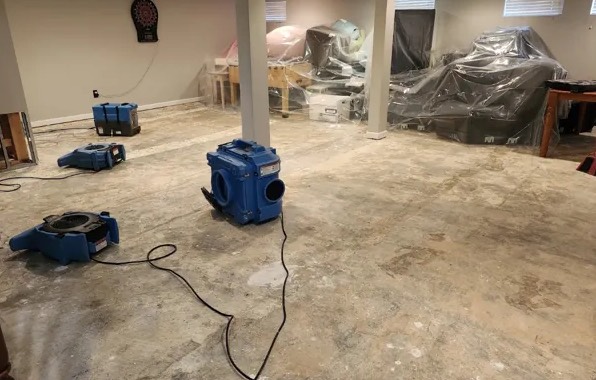
Antimicrobial Treatment Services Solutions in Saint Paul, Minnesota
Water damage leaves more than wet floors behind. Floodwater, sewage and long-standing leaks can leave bacteria, odors and staining on the surfaces that stay in a Saint Paul home after cleanup.
In Saint Paul, antimicrobial treatment is usually part of a larger water damage job. Local surface sanitization experts serve Saint Paul, Maplewood, Falcon Heights and Roseville, treating framing, subfloors and hard surfaces once drying is complete.
Specialized Antimicrobial Treatment Services Available in Saint Paul
Mold Remediation Antimicrobial Treatment
Antimicrobial treatment is the last step after removal and drying, not a replacement for them. It treats wood and concrete that were wet but can be kept.
Post Flood Disinfection Services
Floodwater carries soil, bacteria and debris. After extraction, floors, walls and cabinets it touched are cleaned and then treated with a disinfectant.
Bathroom Mold Treatment
Bathrooms stay damp, so a leak behind a tub or toilet can stain grout, caulk and drywall. The leak is fixed and dried, then surfaces are cleaned and treated.
Kitchen Surface Disinfection
After a dishwasher, sink or refrigerator leak, the cabinet floors, toe kicks and wall behind them are dried and then cleaned and disinfected.
HVAC Duct Sanitization
Ducts that pulled in damp, musty air are cleaned before treatment. The source of the moisture, such as a full drain pan, is fixed first.
When to Consider Antimicrobial Treatment Services in Saint Paul
Recurring Mold After Cleaning
Spots that come back after cleaning usually mean the material is still wet inside or the leak was never fixed.
Wet Materials Left for Days
Drywall, carpet or framing that stayed wet for more than a couple of days is a likely place for microbial growth.
Peeling Paint or Warped Drywall
Bubbling paint, soft drywall or warped trim show water got into the material, which may need removal before treatment.
Persistent Musty or Mildew Odors
A musty or sour smell that lingers after a leak was cleaned up suggests wet or contaminated materials are still in the room.
How Antimicrobial Treatment Services Work in Saint Paul
Step 1: Site Evaluation
The pros look at how long materials were wet, the type of water involved and where moisture remains.
Step 2: HEPA Vacuuming and Dry Cleaning
Loose debris and dust are removed with HEPA vacuums before any liquid product is applied.
Step 3: Wet Cleaning With Disinfectant Solutions
Surfaces are scrubbed or wiped with a disinfectant suited to the material and the contamination.
Step 4: Preventative Treatment and Documentation
A final antimicrobial coat is applied where needed, and photos and product details are recorded.
What Leads to Post Water Damage Cleaning in Saint Paul
Inadequate Drying After Water Damage
Water damage that was mopped up but never fully dried leaves moisture inside walls and under floors.
Roof Leaks and Poor Ventilation
Roof leaks let water into attics and ceilings, where poor airflow keeps insulation and wood damp for days.
Condensation on Cold Surfaces
Warm, humid air condensing on cold pipes, ducts and windows keeps nearby surfaces wet.
Foundation Cracks and Groundwater
Groundwater seeping through foundation cracks keeps lower walls and slabs wet over long periods.
Antimicrobial Treatment Services for Homes and Businesses in Saint Paul
Residential Antimicrobial Treatment Services
In houses, the crawl space and the cabinets under sinks are common hidden spots. They are dried and treated even if the rooms above look fine after a leak.
Commercial Antimicrobial Treatment Services
In larger buildings, ductwork and ceiling cavities can spread odor from one wet area to many rooms. Those spaces are checked and treated as part of the job.
When DIY Fails: Antimicrobial Treatment Services in Saint Paul
Never clean up sewage without gloves, eye protection and boots. For any backup larger than a small spill, it is safer to call local surface sanitization experts.
Understanding Antimicrobial Treatment Services Expenses in Saint Paul
The cost of antimicrobial treatment services in Saint Paul depends on the size of the area, the type of water involved and how much material has to be removed first. Spot treatment costs less than a whole floor.
Emergency Service Timing
After-hours response to a sewage backup can cost more than a scheduled visit.
Post-Cleaning Requirements
Materials that must be removed and replaced before treatment add to the total.
Contamination Severity
Sewage and floodwater need more removal and disinfection than a clean water leak, which raises the cost.
Does Insurance Cover Antimicrobial Treatment Services?
Coverage for antimicrobial treatment services varies from policy to policy. The pros document the work and the materials treated, but your insurer decides what is covered and what is not.
Benefits of Local Pros for Antimicrobial Treatment Services in Saint Paul
Documentation for Insurance
The product used, the areas treated and photos are recorded for your insurer.
24/7 Emergency Response
Help is available day or night for sewage backups and other contaminated water.
Post-Treatment Checks
Moisture readings and a final walk-through confirm the area is dry and clean before rebuilding.
24/7 Emergency Antimicrobial Treatment Services in Saint Paul
If floodwater or sewage reached living areas, keep children and pets away and call (952) 522-6744. Help is available day or night in Saint Paul.
Call Now (952) 522-6744Antimicrobial Treatment Services in Saint Paul
Need antimicrobial treatment services outside Saint Paul? Service also covers Maplewood, Falcon Heights and Roseville, with emergency help for sewage backups.
- Antimicrobial Treatment Services in Maplewood
- Antimicrobial Treatment Services in Falcon Heights
- Antimicrobial Treatment Services in Roseville
- Antimicrobial Treatment Services in Mendota Heights
- Antimicrobial Treatment Services in Little Canada
- Antimicrobial Treatment Services in Lauderdale
- Antimicrobial Treatment Services in North St. Paul
- Antimicrobial Treatment Services in Oakdale
- Emergency Damage Restoration in 55101
- Storm Damage Restoration in 55101
- Water Damage Restoration in 55101
- Water Extraction Service in 55101
- Water Leak Detection in 55101
- Water Removal Service in 55101
- Emergency Damage Restoration in 55102
- Storm Damage Restoration in 55102
Antimicrobial Treatment Services Information: Your Questions Addressed
Does antimicrobial treatment replace drying?
No. Treatment only works on clean, dry surfaces. Water must be removed and materials dried before any product is applied.
How long does odor removal take after water damage cleanup?
Often a few days. Odor fades once wet materials are removed and dried, and extra deodorizing is used if a smell remains.
How do I know if I need mold remediation antimicrobial treatment?
If framing or subfloor stayed wet for days, shows dark spots after drywall removal or smells musty, it likely needs cleaning and treatment after drying.
Can antimicrobial treatment help keep a basement from regrowing after a leak?
It helps on surfaces that stay in place, but the basement also needs the leak fixed and humidity controlled, or mold can return.
What is the difference between disinfecting and sanitizing surfaces?
Sanitizing lowers germs on a surface. Disinfecting kills a wider range of germs as listed on the product label. Sewage cleanup calls for disinfection.