North St. Paul, MN · Ramsey County
Attic Water Extraction in North St. Paul, MNAttic Moisture Inspection & Wet Attic Insulation Removal
For a storm leak, Attic Water Extraction in North St. Paul means wet attic insulation removal, attic leak water cleanup and attic drying services.
Answered 24/7
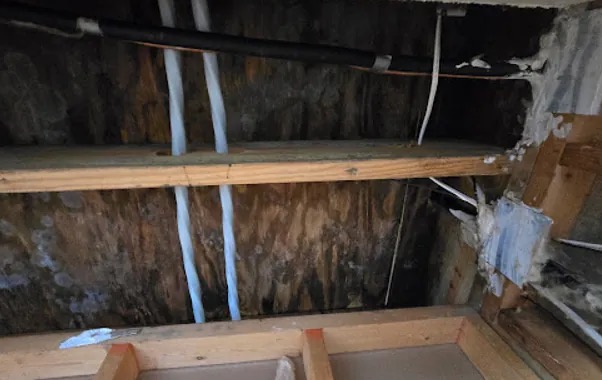
Attic Water Extraction Response in North St. Paul
Water in an attic has only one place to go: down through the ceiling. In North St. Paul, a roof leak, a burst attic pipe or an overflowing AC pan can put water on top of the ceiling drywall, where it soaks in and starts to sag.
A storm in North St. Paul can push water into an attic in one night. Local water damage pros serve North St. Paul and nearby Oakdale, Maplewood and Mahtomedi, with extraction available around the clock.
Attic Water Extraction and Damage Mitigation in North St. Paul
Attic Moisture Inspection
The inspection maps where the water went from the leak point, which decides what is extracted, removed or dried in place.
Wet Attic Insulation Removal
Blown-in insulation that got wet is vacuumed out of the affected bays, and fiberglass batts are pulled and bagged.
Ceiling Water Damage Cleanup
The ceiling under a wet attic is checked with a meter. Damp drywall may dry in place, while sagging drywall is drained and removed.
Attic Leak Water Cleanup
Water from a roof or plumbing leak usually runs along rafters before it drips. Cleanup follows that path and removes water wherever it pooled.
Roof Leak Water Removal
Roof leaks often show up far from where they start. Moisture meters trace the water back along the decking to its entry point.
Indicators of Attic Water Damage in North St. Paul
Increased Indoor Humidity
Upstairs rooms that feel humid or clammy may have moisture coming down from the attic.
Musty Odors From Attic
A musty smell from the attic hatch or upstairs rooms often points to wet insulation or wood.
Sagging or Bulging Ceilings
A ceiling that bulges or droops is holding water and can fall. Keep people out of the room below.
Peeling Paint or Wallpaper
Paint that bubbles or peels on upstairs ceilings often has water behind it.
How Attic Water Extraction Works in North St. Paul
Step 1: Emergency Water Extraction
Active drips are caught and pooled water is vacuumed from the decking and drywall tops right away.
Step 2: Wet Insulation Removal
Soaked insulation is bagged and removed so air can reach the wood and the ceiling drywall below.
Step 3: Attic Drying Process
Air movers and dehumidifiers are set on boards across the joists and run until readings drop.
Step 4: Final Moisture Inspection
Readings on decking, rafters and the ceiling confirm the attic is dry before new insulation goes in.
Common Causes of Attic Water Damage in North St. Paul
Ice Dam Formation on Roof
Ice dams at the roof edge back melting snow up under the shingles and into the attic.
Roof Leaks From Storm Damage
Wind and hail can lift or break shingles, letting rain reach the decking and the attic floor.
Plumbing Leaks in Attic
Supply lines and water heaters in the attic can leak or burst onto the ceiling below.
Bathroom Exhaust Fan Vent Leaks
Bathroom fans vented into the attic, or with loose ducts, release moisture onto the wood.
Attic Water Extraction for Homes and Businesses in North St. Paul
Residential Attic Water Extraction
At home, attic water usually ends up on a bedroom or hallway ceiling. Water is extracted from above, wet insulation removed and the ceiling below dried or replaced.
Commercial Attic Water Extraction
In commercial buildings, water above a drop ceiling soaks tiles and insulation across several rooms. Wet tiles come down and the space above them is extracted and dried.
Professional Attic Water Extraction or DIY in North St. Paul?
A bucket under the drip and a tarp over furniture are good first steps. Call local water damage pros if water is pooling in the attic, the ceiling is stained or sagging, or insulation is soaked.
Factors in Attic Water Extraction Pricing in North St. Paul, MN
Water extracted from an attic in North St. Paul the same day usually means less ceiling drywall to replace than water left over a weekend.
Extent of Water Damage
More water and a larger wet area mean more extraction time and more drying equipment.
Required Drying Time
Dense framing and decking can take several days to dry, adding equipment time.
Size of the Affected Area
A leak that spread across the whole attic costs more than one confined to a single bay.
Does Insurance Cover Attic Water Extraction?
Many homeowner policies cover sudden storm damage and burst pipes in the attic, but not leaks from worn roofing or poor upkeep. Read your policy and call your insurer early.
Why Choose Local Pros for Attic Water Extraction in North St. Paul
Roof Leak Location
The leak point is marked and photographed so the roofer can fix the right spot.
Dehumidification Plan
Dehumidifiers and air movers are placed for the attic's size and airflow, then adjusted daily.
Detailed Documentation
Photos, readings and drying logs are kept to support your insurance claim.
Emergency Attic Water Extraction Response in North St. Paul, MN
Night, weekend or holiday, the pros handle attic water in North St. Paul. Call (952) 522-6744 to get the water out and the ceiling protected.
Call Now (952) 522-6744Attic Water Extraction for North St. Paul and Surrounding Communities
Help with attic water extraction reaches Oakdale, Maplewood and Mahtomedi, plus other communities around North St. Paul, for houses, townhomes and commercial buildings.
FAQ on Attic Water Extraction in North St. Paul
What equipment is used for attic drying services?
Air movers, dehumidifiers, moisture meters and thermal cameras, plus wet vacs and HEPA vacuums for water and insulation removal.
Can I remove attic water myself?
Small drips onto plastic can be handled, but pooled water and soaked insulation need safe footing, equipment and drying.
Why is a moisture inspection important after extraction?
Extraction removes pooled water, but wood and drywall stay wet inside. Meters show what still needs drying.
How long does the attic drying process take?
Often several days, depending on how wet the wood is, the attic temperature and how much insulation was removed.
How quickly should I deal with water in my attic?
Right away. Water sitting on ceiling drywall can make it sag or fall within a day, and wet wood starts to break down.