Saint Paul, MN · Ramsey County
Basement Water Removal in Saint Paul, MNBasement Dehumidification & Sump Pump Failure Water Cleanup
Basement Water Removal in Saint Paul runs from basement water pump out and basement drying services to basement dehumidification.
Answered 24/7
Reliable Basement Water Removal Near Saint Paul, Minnesota
In Saint Paul homes with a basement or below-grade room, water usually comes from storms, sewer backups or plumbing leaks overhead. The source decides how the water is handled and what can be saved.
A finished basement or lower level in Saint Paul or Maplewood, Falcon Heights and Roseville can hide water under flooring and behind drywall. The pros find and remove it before it causes lasting damage.
Specialized Basement Water Removal for Saint Paul
Basement Dehumidification
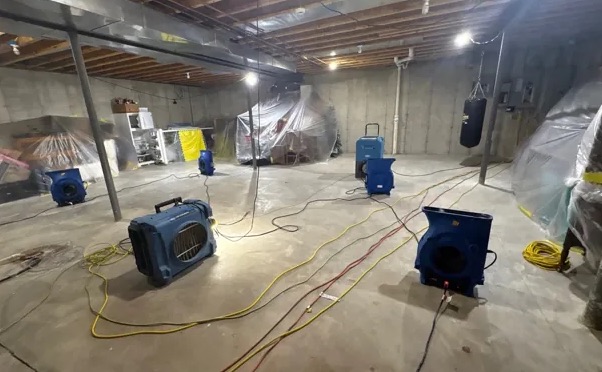
Dehumidifiers run continuously during drying, and their output is checked to track how much water is still coming out of the materials.
Sump Pump Failure Water Cleanup
Cleanup after a sump failure includes drying the area around the pit and noting whether the pump, switch or power was the cause.
Basement Drying Services
After pumping, air movers and dehumidifiers dry the walls, framing and slab. Readings are taken daily until every surface is back to normal.
Basement Wall Drying
Basement walls are checked with moisture meters. Wet drywall is cut back above the water line, and insulation behind it is removed.
Emergency Basement Flooding
A flooded basement threatens the furnace, water heater and anything stored on the floor. Fast pumping protects what can still be saved.
Common Symptoms Requiring Basement Water Removal
Gurgling Sounds From Drains
Gurgling floor drains or slow drains can be an early sign of a sewer line problem.
Efflorescence on Concrete Walls
White, powdery deposits on concrete walls mean water is passing through the masonry.
Rusted Appliances or Furniture
Rust on appliance bases, furniture legs or metal shelving points to standing water or long-term dampness.
Soggy or Wet Carpeting
Carpet that feels damp or smells sour is holding water in the pad against the concrete.
How Basement Water Removal Works in Saint Paul
Step 1: Emergency Water Extraction
Power is made safe, then pumps and extractors remove standing water from the basement floor.
Step 2: Detailed Moisture Inspection
Meters map wet walls, framing and slab areas, including behind finished walls and under flooring.
Step 3: Drying and Dehumidification
Air movers and large dehumidifiers run continuously, with readings checked every day.
Step 4: Final Verification and Monitoring
Readings are compared to dry areas, and equipment is removed only when the basement tests dry.
Common Causes of Basement Flooding in Saint Paul
Sewer Line Backups and Blockages
A blocked sewer line can push wastewater up through basement floor drains and toilets.
Foundation Cracks and Seepage
Cracks in foundation walls and the slab let groundwater seep in during wet weather.
Window Well Leaks and Drainage
Window wells without drains or covers fill with rain and leak through the windows.
Improper Landscape Grading
Soil that slopes toward the house directs rainwater straight to the basement walls.
Both Residential & Commercial Basement Water Removal
Residential Basement Water Removal
Finished basements used as bedrooms or family rooms need careful moisture checks behind walls and under flooring, since that is where water hides.
Commercial Basement Water Removal
Businesses with below-grade storage need wet inventory moved out and documented. Drying is planned around daily operations wherever possible.
Why DIY Basement Water Removal Often Fails in Saint Paul
Checking appliance hoses and extending downspouts away from the house are good DIY steps before storm season. Once the basement floods, call (952) 522-6744 for help.
Basement Water Removal Cost in Saint Paul, MN
The cost of basement water removal in Saint Paul depends on how deep the water is, what type of water it is and how much finished material has to come out.
Affected Materials
Finished walls, carpet and laminate take more removal work than bare concrete.
Drying Time Required
Basements dry slowly, and each extra day of equipment adds to the total.
Additional Services
Antimicrobial treatment, contents cleaning and repairs after drying add to the cost.
Does Insurance Cover Basement Water Removal?
Many homeowner policies cover sudden basement water from a burst pipe but not groundwater seepage. Sewer backup coverage is often an add-on, so check yours.
Advantages of Local Basement Water Removal Experts
Focus on Drying Outcomes
Drying continues until readings are normal, not just until surfaces look dry.
Detailed Damage Documentation
Photos, readings and drying logs are kept to support your insurance claim.
Industry Drying Standards
Water removal and drying follow industry water damage standards, with readings at every visit.
24/7 Emergency Basement Water Removal in Saint Paul
Water still rising in the basement? Call (952) 522-6744 now for basement water removal in Saint Paul before the water reaches finished rooms and stored belongings.
Call Now (952) 522-6744Basement Water Removal Near Saint Paul: Areas Served
Nearby areas served for basement water removal include Maplewood, Falcon Heights and Roseville, with the same pumping and drying steps used in Saint Paul.
- Basement Water Removal in Maplewood
- Basement Water Removal in Falcon Heights
- Basement Water Removal in Roseville
- Basement Water Removal in Mendota Heights
- Basement Water Removal in Little Canada
- Basement Water Removal in Lauderdale
- Basement Water Removal in North St. Paul
- Basement Water Removal in Oakdale
- Emergency Damage Restoration in 55101
- Storm Damage Restoration in 55101
- Water Damage Restoration in 55101
- Water Extraction Service in 55101
- Water Leak Detection in 55101
- Water Removal Service in 55101
- Emergency Damage Restoration in 55102
- Storm Damage Restoration in 55102
Basement Water Removal FAQs
What equipment is used for basement water extraction?
Submersible pumps, extractors, wet vacs, air movers, large dehumidifiers and moisture meters to confirm drying.
Why is fast water removal so important for basements?
Basements dry slowly, so every hour of standing water adds drying days and more materials to replace.
What causes basement floor water damage?
Storm seepage, burst pipes, appliance leaks, foundation cracks and sewer backups through floor drains are the usual sources.
What is involved in basement water removal?
Making power safe, pumping out standing water, extracting floors and carpet, removing soaked materials and dehumidifying until dry.
How is contaminated water handled in a basement?
With protective gear, containment, removal of porous materials and disinfection of hard surfaces before drying.