Savage, MN · Scott County
HVAC Leak Water Removal in Savage, MNHVAC Cabinet Water Extraction & Coil Leak Water Damage Repair
HVAC Leak Water Removal in Savage covers AC condensate leak water removal, HVAC cabinet water extraction and ductwork condensation water removal.
Answered 24/7
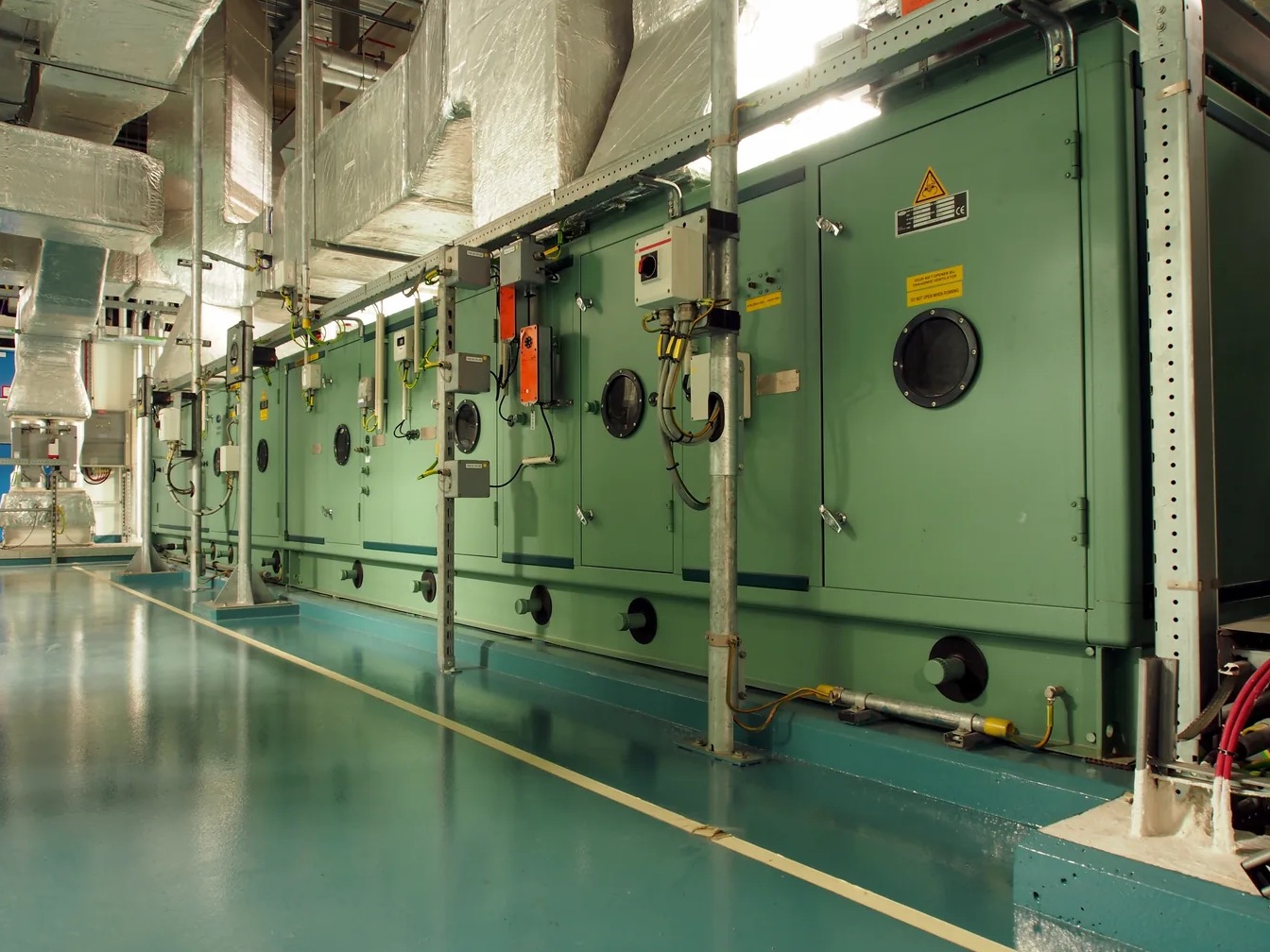
HVAC Leak Water Removal Solutions in Savage
Water from a failed drain line or condensate pump in Savage travels further than it looks. It follows framing and ducts into wall cavities and the rooms next to the unit.
When an HVAC leak occurs in Savage, water needs to come out quickly to protect interior finishes and electrical systems. Local water removal pros serve this community and nearby areas like Burnsville, Bloomington and Prior Lake, extracting water around the unit and drying wet ductwork before damage spreads.
HVAC Leak Water Removal Service Details in Savage
HVAC Cabinet Water Extraction
Standing water in the cabinet rusts the pan, panels and fasteners. Getting it out early stops that, and the cabinet is dried before the system runs again.
Coil Leak Water Damage Repair
A leaking evaporator or condenser coil drips water into the system or onto the floor. Repair begins with extracting all moisture.
HVAC Drain Line Flood Cleanup
When a drain line fails over a concrete utility slab, extractors remove the water and the slab and wall bases are dried.
Emergency HVAC Leak Cleanup
A sudden major leak from a ruptured line or failed coil requires emergency cleanup. The priority is stopping the source and extracting standing water.
Moisture Remediation for HVAC Systems
The job ends with a dry space and dry materials around the unit. Readings from the last day are recorded so you have proof the area is dry.
Warning Signs You Need HVAC Leak Water Removal
Musty Odors Near Air Vents
A musty smell when the system runs can point to wet insulation or mold inside the unit or ducts.
Visible Rust on Metal Components
Rust forming on the evaporator coil cabinet, drain pan, or supports indicates prolonged moisture exposure.
High Indoor Humidity Levels
A home feeling persistently muggy can mean the HVAC system is not properly removing airborne moisture.
Water Damage to Flooring
Warped laminate, cupped hardwood or soaked carpet near the HVAC unit shows the leak has reached the floor.
How HVAC Leak Water Removal Works in Savage
Step 1: 24/7 Emergency Leak Response
The pros make the area safe, find where the leak started and start removing water.
Step 2: Condensation Leak Repair Focus
The cause, such as a clogged drain line or failed pump, is identified so it can be fixed and the leak does not return.
Step 3: Comprehensive Moisture Remediation
All wet materials are dried, including the hard-to-reach spaces inside walls and ceiling cavities.
Step 4: System Restoration and Testing
Readings confirm the area is dry, and the system can be restarted once the HVAC repair is done.
Frequent Sources of HVAC Leak Water Damage in Savage
Improper HVAC System Slope
An air handler or drain line installed without correct pitch prevents gravity-driven water flow to the drain.
High Static Pressure in Ducts
An oversized system or closed vents can upset airflow and drainage, so condensate does not drain as it should.
Clogged Condensate Drain Line
Algae, sludge, or debris blocking the primary drain pipe causes water to back up into the HVAC cabinet.
Refrigerant Leak at the Coil
A pinhole leak in the evaporator coil itself can allow refrigerant and moisture to escape simultaneously.
Residential & Commercial HVAC Leak Water Removal in Savage
Residential HVAC Leak Water Removal
In homes with basements or a second-floor unit, an overflow can soak finished rooms below. The water is extracted and the ceiling, walls and floor are dried.
Commercial HVAC Leak Water Removal
In commercial buildings, the pros tackle HVAC drain line flood cleanup affecting server rooms, drop ceilings, and stock areas. They use industrial extractors and dehumidifiers for extraction and structural drying.
HVAC Leak Water Removal: DIY or Call Water Damage Pros in Savage
For minor, isolated wet spots on drywall, you can dry the area with fans and dehumidifiers. Puncture small holes at the base for cavity drying. If the leak is ongoing, the stain large, or drywall sagging, professional intervention is critical.
Cost Insights for HVAC Leak Water Removal in Savage
The price of HVAC leak water removal in Savage depends on where the unit sits, how far the water spread and how long drying takes. The pros look at the source and the wet area first.
Drying Time and Equipment
The number of days ducts and materials take to dry decides how long the dehumidifiers run.
Post-Extraction Repairs
Some jobs need small drain line or insulation repairs after drying, which are priced separately.
Water Contamination Category
Clean condensate is simpler to handle than dirty overflow from a drain line, which needs extra cleaning.
Does Insurance Cover HVAC Leak Water Removal?
Insurance for emergency water removal from a leaking AC unit is not certain. Coverage may apply if the leak is sudden and accidental. Gradual leakage from lack of maintenance is often excluded.
Why Choose Local Pros for HVAC Leak Water Removal in Savage
Comprehensive Leak Source Identification
The pros trace the water to the drain line, coil or pan, so the right trade can fix the cause.
HVAC-Specific Moisture Detection
Moisture meters and thermal cameras find water in ducts, insulation and cabinets that you cannot see.
Precision Wet Insulation Removal
Wet insulation near the unit is removed so it does not hold water against framing and grow mold.
24-Hour Emergency HVAC Leak Water Removal in Savage
Water flowing from your HVAC system requires fast action to prevent costly secondary damage. For emergency HVAC water extraction in Savage, call (952) 522-6744 anytime.
Call Now (952) 522-6744HVAC Leak Water Removal Near Savage: Areas Served
Emergency water removal around a flooded HVAC unit is available throughout Savage and nearby communities, including Burnsville, Bloomington and Prior Lake. Quick action limits damage to sensitive components.
- HVAC Leak Water Removal in Burnsville
- HVAC Leak Water Removal in Bloomington
- HVAC Leak Water Removal in Prior Lake
- HVAC Leak Water Removal in Apple Valley
- HVAC Leak Water Removal in Richfield
- HVAC Leak Water Removal in Lakeville
- HVAC Leak Water Removal in Eden Prairie
- HVAC Leak Water Removal in Shakopee
- Emergency Damage Restoration in 55378
- Storm Damage Restoration in 55378
- Water Damage Restoration in 55378
- Water Extraction Service in 55378
- Water Leak Detection in 55378
- Water Removal Service in 55378
HVAC Leak Water Removal Common Questions
How long does wet ductwork drying typically take?
It depends on how much water there is and how easy it is to reach. Most jobs take two to four days of drying with commercial equipment.
What's the difference between water extraction and drying?
Extraction removes the liquid water. Drying uses dehumidifiers and air movers to pull out the moisture left in insulation, drywall and wood.
How quickly should I address AC unit water damage?
As soon as you see it. Water can reach wiring and soak drywall and insulation, and mold can start within a day or two in wet materials.
Can wet insulation near HVAC be saved?
Often, yes. Wet insulation loses its value and is hard to dry in tight spaces, so it is usually removed and replaced once the area is dry.
Does HVAC leak water removal prevent mold?
Fast extraction and drying lower the risk a lot. Materials that stay wet longer than a day or two can start to grow mold.