HVAC Leak Water Removal in St. Peter, MN: Don’t Let a Small Leak Become a Big Problem
Ignoring a small leak in your heating, ventilation, and air conditioning (HVAC) system can lead to significant water damage, expensive repairs, and even safety hazards. If you notice water pooling around your HVAC unit or a musty smell coming from your ducts, don’t wait, address the issue quickly. You’re likely to save time and money in the long run, and prevent more extensive damage. Act fast to prevent further complications.
Our team has helped many homeowners in the area recover from HVAC leak water damage. With over 165+ five-star reviews, you can trust that we’ll treat your property with the care and attention it deserves. Our customers choose us specifically for HVAC leak water removal because of our rapid response times, 24/7 availability, and commitment to getting the job done right the first time.
- Rapid water extraction to prevent further damage and growth of mold and mildew.
- Professional equipment to dry and dehumidify affected areas quickly and efficiently.
- Thorough inspection to identify and address any underlying issues that may have caused the leak.
How Our Team Handles HVAC Leak Water Removal
When you call our team for HVAC leak water removal, you can expect a comprehensive process that focuses on your safety, property, and peace of mind. Our crews arrive quickly, equipped with the latest tools and technology to tackle the job efficiently. We’ll work around the clock to ensure your property is restored to its original condition as quickly as possible.
Step 1: Initial Assessment
Our technicians will arrive at your property to assess the extent of the damage, identify the source of the leak, and create a customized plan to address the issue. This step typically takes 30 minutes to an hour.
Step 2: Water Extraction
We’ll use our professional-grade equipment to extract the standing water from your property, including the affected areas around your HVAC unit. This step usually takes 2-4 hours depending on the severity of the damage.
Step 3: Drying and Dehumidification
Next, we’ll use our state-of-the-art drying equipment to remove excess moisture from the air and surfaces. This step is crucial in preventing further damage and mold growth. It typically takes 12-24 hours to complete, depending on the size of the affected area.
Step 4: Inspection and Repair
Once the area is dry, our technicians will conduct a thorough inspection to identify any underlying issues that may have caused the leak. We’ll repair or replace any damaged parts, ensuring your HVAC system is functioning properly and efficiently. This step usually takes 1-3 days depending on the complexity of the repair.
Step 5: Final Inspection and Clean-up
Our team will conduct a final inspection to ensure the job is complete, and your property is safe and secure. We’ll also clean up any debris and dispose of it properly. This step typically takes 30 minutes to an hour.
Don’t wait, act quickly to prevent further damage and costly repairs. Our team is available 24/7 to handle your HVAC leak water removal needs quickly and efficiently.

Warning Signs You Need HVAC Leak Water Removal
Catching these signs early can save you time, money, and stress. Ignoring them can lead to bigger problems, including mold growth, structural damage, and safety hazards. Be aware of these warning signs and don’t hesitate to call our team for help.
Musty Odors That Won’t Go Away
When you notice a persistent musty smell coming from your HVAC unit or ducts, it’s a sign that water is likely present. This can lead to mold growth and further damage. Act fast to prevent more extensive problems.
Water Pooling Around the HVAC Unit
If you notice water collecting around your HVAC unit, it’s a clear indication that a leak has occurred. This can cause further damage, including mold growth and electrical issues. Call us immediately to address the issue.
Increased Energy Bills
When your HVAC system is working harder to compensate for a leak, it can lead to increased energy bills. This is a sign that your system is under strain, and you should investigate the cause of the leak. Don’t delay call our team to address the issue.
Leaks Around the Ducts and Vents
When you notice water leaks around the ducts and vents, it’s a clear indication that your HVAC system is compromised. This can lead to more extensive damage, including mold growth and safety hazards. Act quickly to prevent further complications.
Visible Water Damage
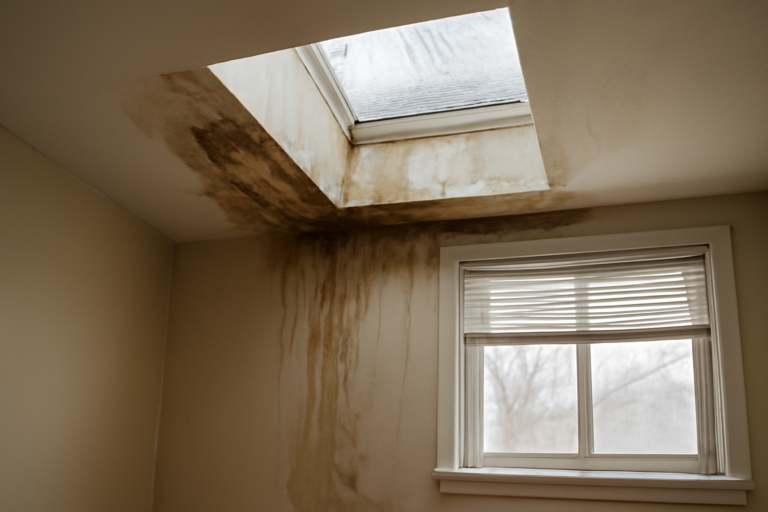
When you notice visible water damage around your HVAC unit, it’s a sign that a leak has occurred. This can lead to further damage, including mold growth and structural issues. Call us immediately to address the issue.
Increased Humidity
When you notice increased humidity levels in your home, it’s a sign that a leak is likely present. This can lead to mold growth, safety hazards, and further damage. Act quickly to prevent more extensive problems.
HVAC Leak Water Removal vs. DIY: When to Call a Professional
| Situation | DIY? | Call a Pro? | Why |
|---|---|---|---|
| Small leak around the HVAC unit | Yes | No | You can likely fix the leak yourself with a DIY kit. |
| Visible water damage around the ducts and vents | No | Yes | It’s best to let a professional handle the cleanup and repair to prevent further damage. |
| Musty odors coming from the HVAC unit | No | Yes | A professional can identify the source of the odor and address it quickly to prevent mold growth. |
| Increased energy bills due to a leak | No | Yes | A professional can investigate the cause of the leak and repair it to prevent further damage and energy waste. |
| Leaks around the ducts and vents | No | Yes | A professional can handle the repair and ensure the ducts and vents are properly sealed. |
| Visible water damage around the HVAC unit | No | Yes | A professional can handle the cleanup and repair to prevent further damage and safety hazards. |
With HVAC leak water removal, it’s best to call a professional when you notice visible water damage, musty odors, or leaks around the ducts and vents. These signs show a more extensive issue that needs specialized equipment and expertise to address.
HVAC Leak Water Removal Cost in St. Peter, MN
The cost of HVAC leak water removal in St. Peter, MN can vary depending on the severity of the damage, the size of the affected area, and local conditions. These estimates are based on real-world scenarios and can help you understand what to expect.
| Service | Typical Price Range | What Affects Cost |
|---|---|---|
| Water extraction and drying | $500 – $2,500 | The size of the affected area and the amount of water present. |
| Inspection and repair of HVAC unit | $1,000 – $5,000 | The complexity of the repair and the materials needed. |
| Removal of water-damaged materials | $200 – $1,000 | The extent of the damage and the materials removed. |
| Dehumidification and air purification | $500 – $2,000 | The size of the affected area and the number of equipment needed. |
| Final inspection and clean-up | $200 – $500 | The extent of the damage and the materials removed. |
Exact pricing depends on an on-site assessment, and we offer free estimates to ensure you understand the costs involved. Contact us today to schedule your appointment and get a personalized quote.
Service Areas Near St. Peter, MN
We serve the following nearby communities: Jordan, Le Sueur, Elysian, Kilkenny, Cleveland, Montgomery, Belle Plaine, Lonsdale, Mankato, and more.
Common Questions About HVAC Leak Water Removal
What causes an HVAC leak?
A leak in your heating, ventilation, and air conditioning (HVAC) system can occur due to various reasons, including worn-out seals, corroded ducts, or a malfunctioning thermostat. It’s essential to address the issue quickly to prevent further damage and costly repairs. Our team can help you identify the source of the leak and provide a customized solution.
How long does it take to dry out a water-damaged area?
The drying time depends on the size of the affected area, the amount of water present, and the type of equipment used. Our team will work around the clock to ensure your property is dry and safe within 12-24 hours.
Is it safe to stay in the house during the cleanup and repair process?
It’s generally not recommended to stay in the house during the cleanup and repair process, especially if the damage is extensive. Our team will work with you to ensure your safety and provide a temporary relocation solution if needed. We’ll make sure you’re comfortable and safe throughout the process.
Can you help me prevent future HVAC leaks?
Yes, we can! Our team will provide you with personalized recommendations to prevent future leaks, including regular maintenance, inspections, and repairs. We’ll work with you to create a customized plan to keep your HVAC system running smoothly and efficiently.
Do you offer any warranties or guarantees?
Yes, we do! Our team stands behind our work and offers a satisfaction guarantee. We’ll ensure your property is restored to its original condition, and we’ll provide a written warranty for all our services.