Burnsville, MN · Dakota County
Snow and Ice Storm Damage Cleanup in Burnsville, MNWinter Storm Water Extraction & Ice Dam Leak Cleanup
Snow and Ice Storm Damage Cleanup in Burnsville covers ice dam leak cleanup, snow melt water damage restoration and wet attic insulation removal.
Answered 24/7
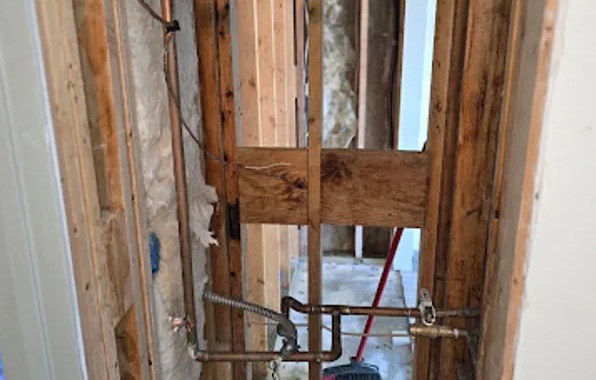
Professional Snow and Ice Storm Damage Cleanup in Burnsville, MN
Ice dams are a common winter problem for Burnsville homes. Heat from the house melts roof snow, which refreezes at the eaves and backs water under the shingles.
From burst pipes to leaking ceilings, local ice storm cleanup pros handle winter storm water damage in Burnsville and nearby Savage, Apple Valley and Bloomington, at any time of day or night.
Ice Storm Water Cleanup Services in Burnsville
Winter Storm Water Extraction
Standing water from a burst pipe or leak is pumped and vacuumed out first. Drying equipment works far better once floors are clear.
Ice Dam Leak Cleanup
Water from an ice dam often soaks insulation long before a stain appears. The pros check the attic with moisture meters and remove what is wet.
Winter Storm Wet Drywall Removal
Wet drywall that stays in place traps moisture inside the wall. Flood cuts remove the damaged part and let air reach the framing.
Snow Melt Water Damage Restoration
A fast thaw sends melting snow against the foundation and into lower walls and floors. The pros extract the water and dry carpet, drywall and subfloor.
Ice Storm Roof Leak Cleanup
A roof damaged during an ice storm can leak for days. Water is cleared from the attic and ceilings, and a roofer handles the roof repair itself.
Signs of Ice Storm Damage Indoors
No Water From a Faucet
A faucet that stops running during a hard freeze usually means a frozen pipe. It may split and leak once it thaws.
Bubbling Paint or Soft Drywall
Paint that bubbles and drywall that feels soft show moisture inside the wall, which needs to be found and dried.
Water Running Inside a Wall
The sound of running water with no fixture on, or a wet spot growing on drywall, points to a burst pipe inside the wall.
Puddles on Floors
Water on floors near exterior walls, sinks or the water heater after a freeze often comes from a split supply line.
How Snow and Ice Storm Damage Cleanup Works in Burnsville
Step 1: Roof Leak and Attic Inspection
The pros check the attic for wet insulation and framing and trace the leak to the damaged roof area.
Step 2: Wet Attic Insulation Removal
Soaked insulation is bagged and removed so the attic framing and ceiling below can dry.
Step 3: Ceiling Water Damage Cleanup
Sagging or soaked ceiling drywall is drained and removed, and the area above is dried.
Step 4: Drying From the Top Down
Drying starts in the attic and works down so water does not drip onto rooms that are already dry.
Common Causes of Ice Storm Damage in Burnsville
Snowmelt
A sudden thaw melts deep snow quickly and overwhelms gutters and drains, pushing water against lower walls.
Outdoor Spigots and Irrigation Lines
Hose bibs, backflow valves and irrigation lines sit outside the heated space, so they can crack in a hard freeze and leak into walls or foundations.
Ice-Clogged Gutters
Gutters packed with ice overflow and send water down walls and against the foundation, where it can seep inside.
Frozen and Burst Pipes
Pipes in exterior walls, attics and crawl spaces can freeze during a hard freeze, split and flood the home when they thaw.
Residential and Commercial Snow and Ice Storm Damage Cleanup in Burnsville
Residential Snow and Ice Storm Damage Cleanup
Homes with wet attics and ceilings after an ice storm are dried from the top down, so water does not drip onto areas that are already dry.
Commercial Snow and Ice Storm Damage Cleanup
Commercial buildings with roof leaks after an ice storm get ceiling tiles, insulation and drywall checked and removed where wet.
Snow and Ice Storm Damage Cleanup vs. DIY: When to Call Local Pros
Mopping a small puddle is reasonable DIY work. Water that reached drywall, insulation or subfloor needs moisture meters and drying equipment to find and remove.
What Affects Snow and Ice Storm Damage Cleanup Cost in Burnsville
Most of the cost comes from extraction, removal of wet insulation and drywall, and the number of days drying equipment runs.
Disposal of Damaged Materials
Wet insulation, carpet, pad and drywall have to be hauled away, and disposal is part of the total.
After-Hours Work
Work started at night, on a weekend or during a storm may cost more than scheduled work.
Materials That Got Wet
Carpet, hardwood, drywall and insulation each dry differently. Hardwood and dense framing take longer.
Does Insurance Cover Snow and Ice Storm Damage Cleanup?
If several units or buildings are affected, ask your insurer whether each one needs its own claim and what records they need for each.
Benefits of Local Winter Storm Water Cleanup
Drying in Cold Weather
The pros plan drying around cold, damp conditions and keep equipment running until readings are normal.
Available Any Time
Winter storm leaks often start at night or on weekends. Local ice storm cleanup pros can be reached at any hour to start extraction and drying.
Top-Down Drying for Roof Leaks
Attics and ceilings are dried first so water does not drip onto rooms below that are already dry.
Emergency Winter Storm Water Removal in Burnsville
After a hard freeze, check for leaks as pipes thaw. If you find water, call (952) 522-6744 for help in Burnsville, 24 hours a day.
Call Now (952) 522-6744Where Snow and Ice Storm Damage Cleanup Is Available Near Burnsville
Ice dam leaks and snowmelt damage are handled in Burnsville and nearby Savage, Apple Valley and Bloomington, day or night.
Snow and Ice Storm Damage Cleanup FAQs for Burnsville Homeowners
Can snowmelt flood a home?
Yes. A fast thaw can overwhelm gutters and drains and push water through foundation cracks and around windows into lower rooms.
Does wet attic insulation need to be replaced?
Usually yes. Soaked insulation loses its value, holds water against the ceiling and is hard to dry, so it is removed.
What should I do if a pipe bursts during a freeze?
Shut off the main water valve, turn off power to wet areas if it is safe, move belongings out of the water and call for help.
What causes ice dams?
Heat from the house melts roof snow, which refreezes at the cold eaves. The ice ridge then traps meltwater, which backs up under the shingles.
Can I stay home during drying?
Often yes. Equipment is noisy but safe. Homes with no heat or large wet areas may not be comfortable until drying is done.